
How to Choose the Right Dentist in Midtown Toronto (2026 Guide)
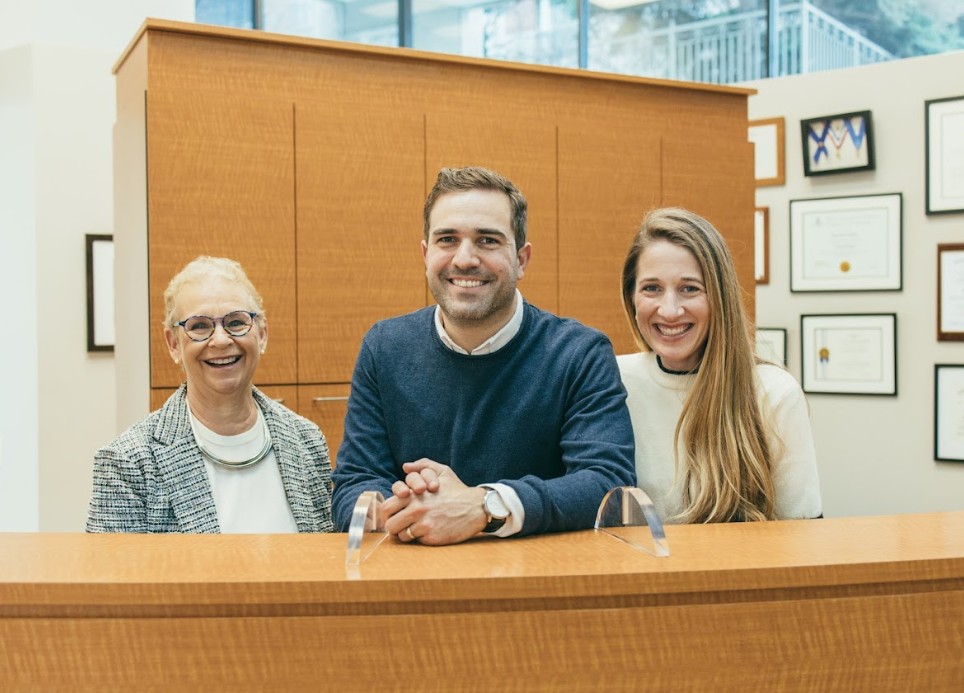
Choosing a dentist in Midtown Toronto isn’t just about convenience—it’s about finding a clinic you can trust long-term. The right dentist will focus on prevention, explain treatment clearly, and create an environment where you feel comfortable asking questions.
Many patients come to us after trying multiple offices. What they’re usually looking for isn’t just technical skill—it’s consistency, transparency, and a sense that they’re being looked after over time.
In Midtown areas like Forest Hill and Yonge & St. Clair, convenience matters, but so does continuity. A dentist you can return to regularly is far more valuable than one you visit once.
FAQs:
- What makes a dentist trustworthy?
- A trustworthy dentist is someone who combines clinical integrity, clear communication, and a genuinely patient-first approach. From a patient’s perspective, it usually comes down to how consistently they feel informed, respected, and not pressured.
- At the core is honest, transparent communication. A good dentist explains what’s going on in simple terms, shows you your X-rays or photos, and walks you through your options—clearly distinguishing what needs to be done now versus what can be monitored. You should never feel confused about your own mouth.
- Equally important is a no-pressure philosophy. Trust builds when patients feel they’re being guided—not sold to. A trustworthy dentist aligns recommendations with your goals, comfort level, and budget, rather than pushing ideal or aggressive treatment plans.
- Over time, consistency matters. Diagnoses shouldn’t suddenly change without explanation, and care should feel stable and predictable. This is where long-term relationships become a strong signal—patients who stay for years typically do so because trust has been earned.
- You’ll also notice it in the details of the experience: a clean, organized office, a calm and welcoming team, and a dentist who takes time to answer questions without being rushed or dismissive. These are subtle but powerful indicators of professionalism and care.
- Finally, a key trait of a trustworthy dentist is a conservative mindset—someone who prioritizes preserving your natural teeth and only recommends treatment when it’s truly necessary. Combined with clear, upfront pricing, this removes the uncertainty that often breaks trust.
- In short: patients trust dentists who are transparent, consistent, conservative in their approach, and genuinely focused on doing what’s right—not just what’s possible.
- How often should I see a dentist?
- For most people, the general recommendation is every 6 months for a check-up and cleaning—but the right interval isn’t one-size-fits-all. It depends on your individual risk factors and oral health history.If you have healthy teeth and gums, minimal cavities, and good home care, visits every 6 months are typically enough to maintain stability and catch small issues early.However, some patients benefit from more frequent visits (every 3–4 months), including those who:
- Have a history of gum disease
- Build up plaque or tartar quickly
- Are prone to cavities
- Have ongoing dental work that needs monitoring
- For most people, the general recommendation is every 6 months for a check-up and cleaning—but the right interval isn’t one-size-fits-all. It depends on your individual risk factors and oral health history.If you have healthy teeth and gums, minimal cavities, and good home care, visits every 6 months are typically enough to maintain stability and catch small issues early.However, some patients benefit from more frequent visits (every 3–4 months), including those who:
- Is it okay to switch dentists?
- Yes—it’s completely okay to switch dentists. In fact, it’s an important part of finding care that truly fits your needs.Most patients change dentists at some point due to:
- Moving locations
- Scheduling or convenience issues
- Insurance changes
- Or simply feeling that the relationship or communication isn’t the right fit
- Comfortable asking questions
- Confident in the recommendations
- Not pressured into treatment
- Well taken care of as a person—not just a patient
- Yes—it’s completely okay to switch dentists. In fact, it’s an important part of finding care that truly fits your needs.Most patients change dentists at some point due to: